Secure AI & Data Privacy
Practical planning and execution of controls for private data, access, retention, and safe usage so AI adoption doesn’t become a risk event.
Outcome: a clear, implementable privacy + security posture for AI—designed for real operations, audits, and stakeholder confidence.
When AI must be secure
If you need AI to work in a reliable, auditable, and defensible way—especially when client data, regulated info, or internal IP is involved—this engagement is designed to prevent pilots from becoming privacy or security incidents.
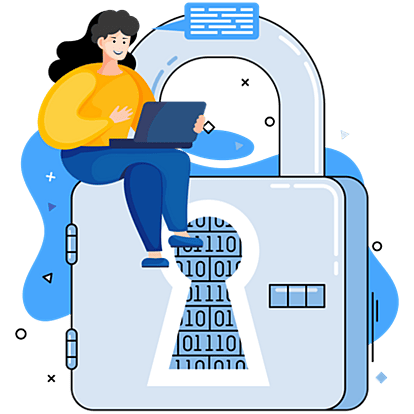
What you’ll get - A security + privacy approach that answers:
+ What data can AI touch—and what must be excluded?
+ How do we control access, permissions, and approval paths?
+ What retention rules apply to prompts, outputs, logs, and embeddings?
+ How do we reduce leakage risk, vendor risk, and “shadow AI” usage?
Deliverables
Security Realities
Data boundaries
We define exactly where AI is allowed to operate: approved sources, prohibited fields, redaction rules, and controlled zones for sensitive content.
Governed access
We implement practical controls: role-based access, least-privilege defaults, approval gates for high-risk actions, and logging that stands up to scrutiny.
Retention you can defend
We translate privacy intent into operational rules: how long data persists, where it’s stored, who can retrieve it, and how it’s purged.
Safe usage in the real world
We reduce “shadow AI” by giving teams an approved path that’s easier than risky workarounds—plus training, templates, and enforcement patterns.
Secure Process
Sensitive data handling + redaction workflows
Private knowledge bases with permissioning and source tracing
Audit logs for queries, access, and output usage
Model/tool vendor risk assessment and configuration hardening
Incident response playbooks for AI-related events
Hybrid/on-prem deployment patterns for confidential environments
Timeline
Target: complete planning in 1–2 weeks, with implementation staged over 2–6 weeks depending on systems and complexity.

Takeaways
You’ll leave with: a controls plan you can execute—and the evidence trail to prove it.
Follow up
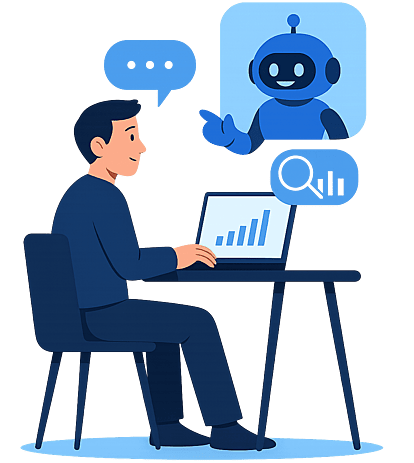
Use AI securely: move from data analysis and privacy scope to AI doing automated work in a secure and reliable way.
Ready for AI without turning it into a risk event?
If you want AI that leadership, compliance, and your operators can all support—this is the foundation that keeps adoption safe and sustainable.
FAQs
Will this slow down adoption?
It prevents rework and stops pilots from getting blocked later. Clear boundaries and controls make deployment faster, not slower.
Do we need to be fully on-prem to be safe?
Not always. Many teams use a hybrid model: sensitive data stays private, while low-risk workflows can leverage controlled cloud services. We design the boundary intentionally.
How do we stop employees from using public tools anyway?
We pair policy with practicality: provide an approved workflow that’s faster, plus clear guidance, training, and lightweight enforcement.